
Passport and entry requirements
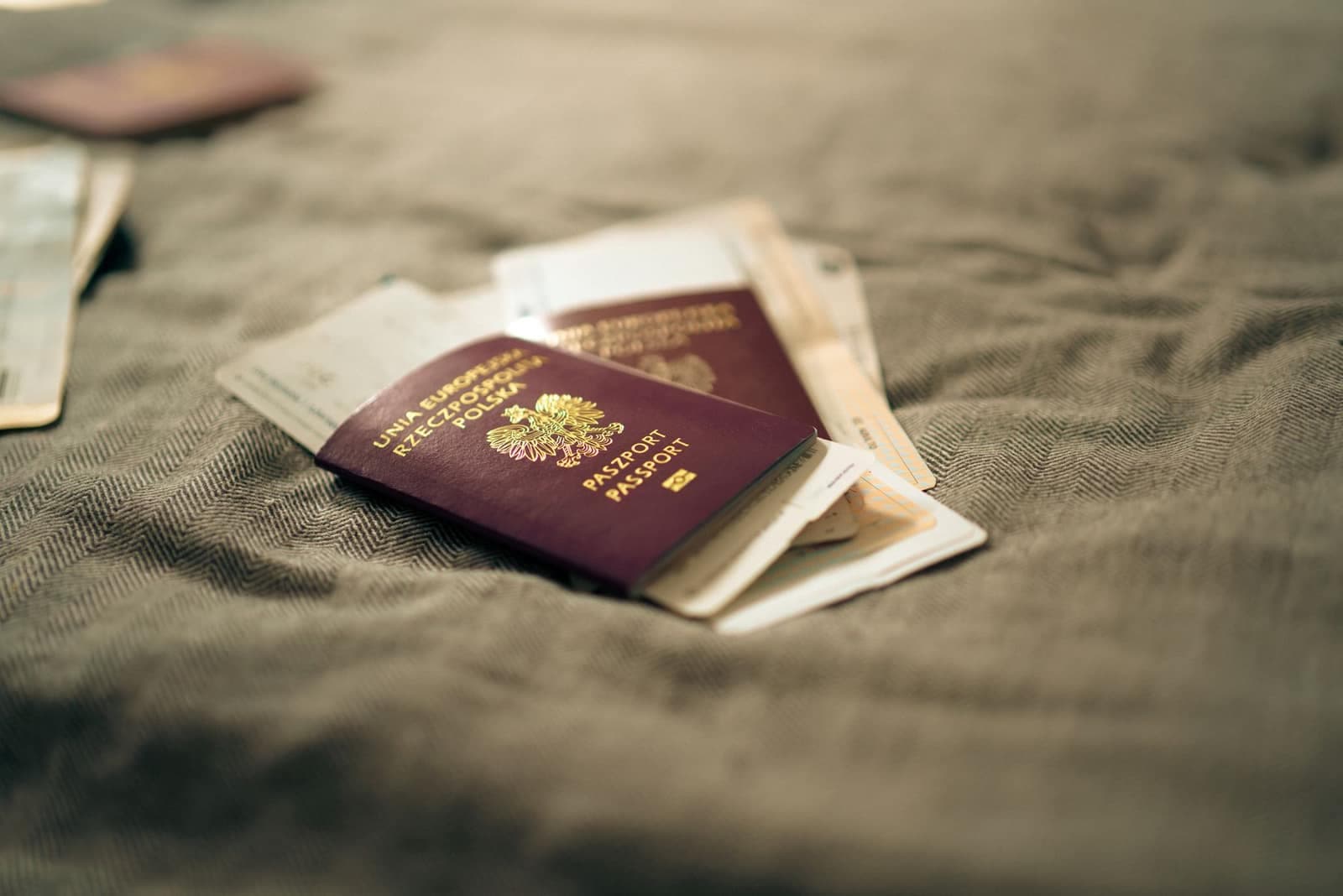
Entry rules depend on your nationality as much as on your destination. Check them for your passport before you book anything.
- Passport validity. It varies by country. For the Schengen area, your passport must have been issued within the last ten years and remain valid for at least three months after your planned departure date. Many other destinations require six months of validity on entry, and some one or two blank pages.
- Visa or electronic authorisation. Even without a visa, several countries require an authorisation obtained online before you board: ESTA for the United States, eTA for Canada, ETA for the United Kingdom. Apply on the official website; intermediary sites charge more for the same application.
- Timing. A Schengen visa application can be lodged up to six months before departure and, as a rule, no later than fifteen days before. Appointments become scarce before summer and the holidays: book yours as soon as your dates are set.
- Copies. Keep a digital copy of your passport, visa, insurance and bookings that you can open offline, and a paper copy stored apart from the originals.
Europe: EES is live, ETIAS is not yet
Check the requirements for your passport
Our guides
ESTA (United States)ETA (United Kingdom)eTA (Canada)ETIAS (Europe)EES (Europe)
Health and insurance
- Vaccines. Some destinations require a yellow fever vaccination, proven by an international certificate, and other vaccines are recommended depending on the region. See an international vaccination centre at least six weeks before departure: the yellow fever certificate only becomes valid ten days after the injection.
- Medicines. Keep them in your carry-on, in their original box, with the prescription. Some common medicines are banned or need prior approval in a few countries, including Japan and the United Arab Emirates: check with the embassy.
- Insurance. Abroad, medical costs are yours to pay and can be very high, in the United States especially. First check what your bank card already covers, often only if you paid for the trip with it.
- Safety. Read your foreign ministry’s travel advice, note the local emergency numbers (112 works throughout the European Union) and leave your itinerary with someone close.
- Valuables. Avoid displaying them, and keep cards and cash in two separate places.
Schengen visa: insurance is part of the application
Schengen visa insurance criteria
Partners
 AXA Schengen
- Medical costs covered up to $250,000
- 180+ countries, United States as an option
- Can be bought once you have left
- Pre-existing conditions not covered
Money and payments
- Bank fees. Check what your card charges outside your currency area, per payment and per withdrawal. A card with no foreign fees avoids them.
- Several ways to pay. Bring two cards on different networks (Visa and Mastercard), kept apart, and some local cash for your arrival.
- Local currency. When a card terminal or ATM offers to convert the amount into your home currency, decline and pay in local currency: that on-the-spot conversion uses an unfavourable rate.
- Exchange. Avoid airport exchange counters, whose rates are often poor. Withdraw from ATMs of well-known banks instead, inside the branch if possible.
- Before you leave. Check in your banking app that payments abroad are enabled, and note the number for blocking your card from abroad.
- Tax refunds. In many countries, non-resident visitors can reclaim VAT on some purchases: keep invoices and refund forms.
Partners
Phone and internet
- Roaming. With a plan taken out in the European Union, other EU countries are charged at domestic rates, within fair use. Elsewhere, check your operator’s rates before leaving, or turn off data roaming.
- eSIM. A data eSIM is bought before departure and activated on arrival, without swapping SIM cards. Your phone must be eSIM-compatible and unlocked.
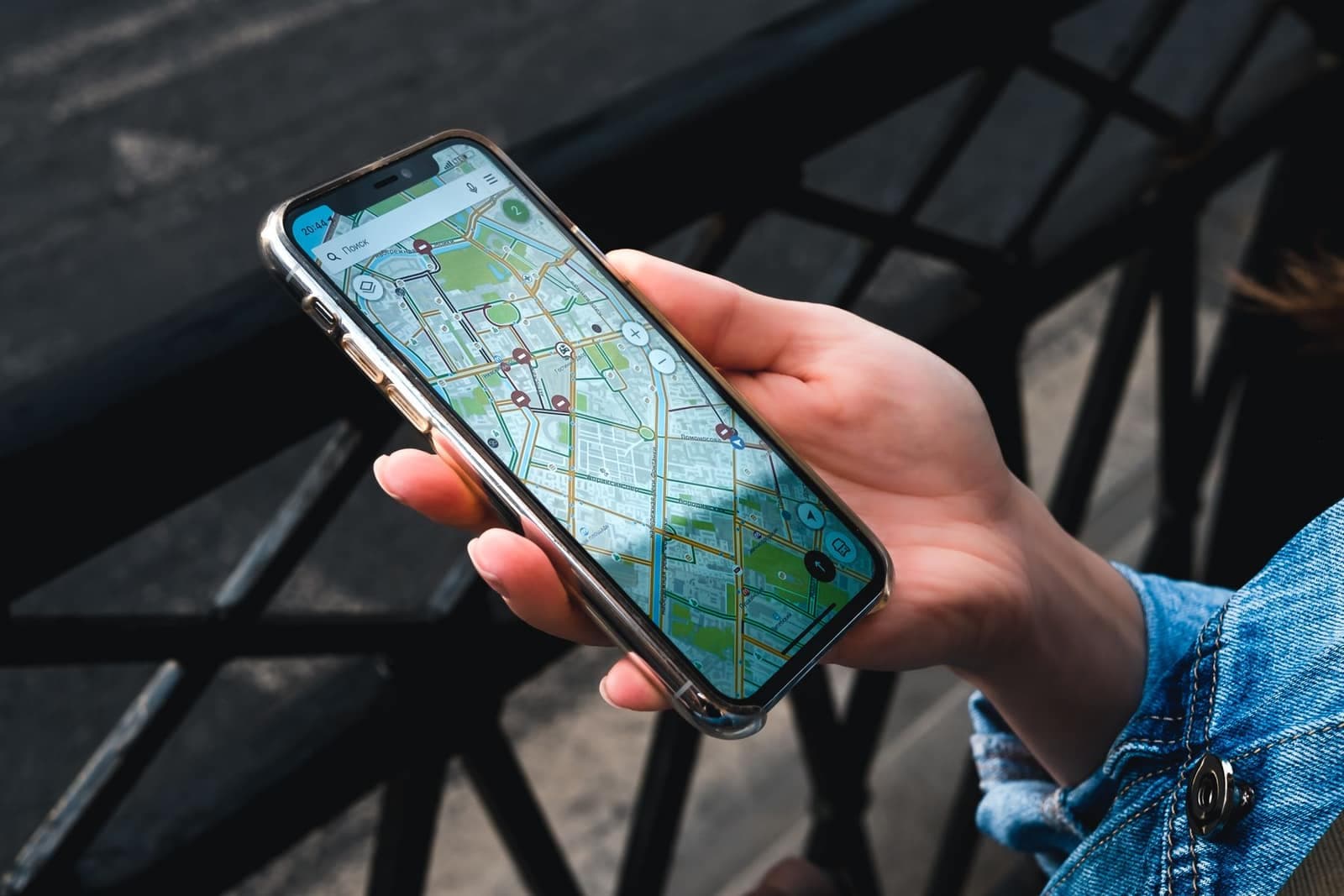
- Offline maps. Download maps of your destination before you leave.
- Public Wi-Fi. Avoid banking on it, or use a VPN.
Accommodation
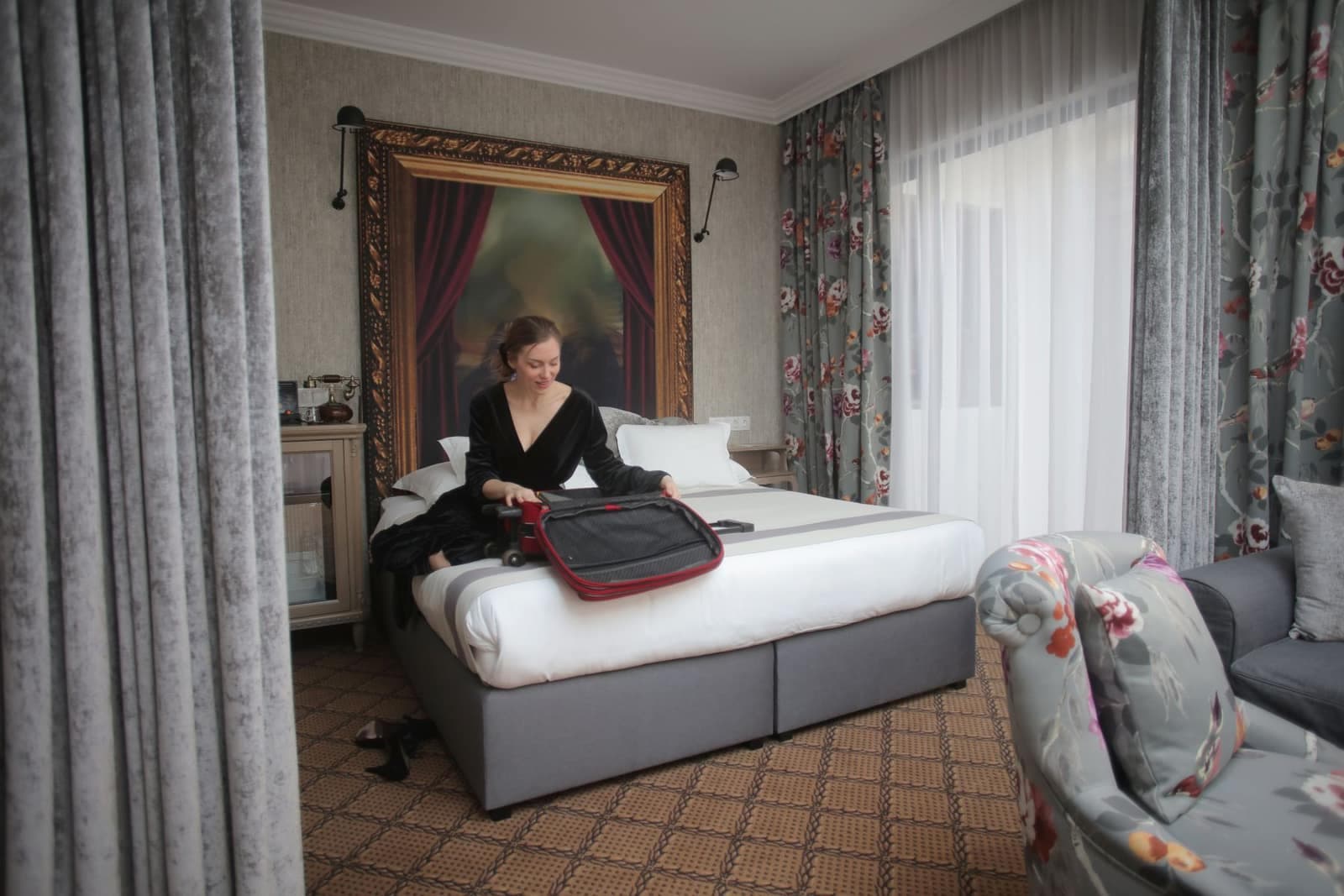
- Booking. Book early for busy periods, and read the cancellation terms before paying.
- Choosing. Rely on recent reviews, and check the location against your plans and public transport.
- Address. Keep the address written in the local language and script, to show a driver.
- Rentals. Take photos of the place when you arrive.
- Schengen visa. The consulate asks for proof of accommodation for the whole stay: a booking or, if you are staying with someone, the document the country requires (in France, the attestation d’accueil issued by the town hall).
Flights, luggage and driving
- Airport. For an international flight, arrive two to three hours before departure, or at the time your airline states.
- Luggage. Weight and size limits vary by airline and fare: check the ones on your ticket. Keep medicines, valuables, documents and a change of clothes in your carry-on.
- Boarding pass. Save it on your phone, and turn on the airline’s alerts to hear about schedule changes.
- Delays and cancellations. On a flight departing from the European Union, or into the EU on a European airline, Regulation (EC) No 261/2004 may entitle you to assistance and compensation. Claim directly from the airline, free of charge.
- Driving. Check whether your destination requires an International Driving Permit on top of your licence. It is issued by the country that issued your licence, so apply before you leave.
Once you are there
- Length of stay. Never stay longer than your visa or exemption allows: even a short overstay can mean a fine and a re-entry ban. In the Schengen area, short stays are limited to 90 days in any 180-day period.
- Documents. Carry a copy of your passport and the address of your accommodation. Leave the original in the safe unless local law requires you to carry it.
- Customs. Learn about local customs (dress, photos, alcohol, tipping) and a few words of the language.
- Taxis. Use official taxis or licensed ride-hailing apps; otherwise, insist on the meter or agree on the fare before getting in.
- Water and food. Where tap water is not safe, drink sealed bottled water and be careful with ice and raw vegetables.
- Activities. Book the most popular sites in advance, check opening hours and closing days, and favour local guides.
 GetYourGuide
Partner links
Some links on this page are partner or referral links: if you sign up, IziVisas may earn a commission at no extra cost to you. These partnerships fund the site and have no influence on visa information, which follows our methodology.
Does something on this page look out of date? Let us know and we will fix it.
Our methodologyReport an error
Photos: Vlada Karpovich, Jakub Zerdzicki, Artem Podrez, Pixabay, Stanislav Kondratiev, Andrea Piacquadio, Wendy Wei, Huy Phan (Pexels)