Table of contents
Author: Équipe IziVisasReviewed on October 22, 2026Last update: Oct 2026Reading time: 8 min
Summary
Work visas, working holiday, digital nomad visa, new visa fees, housing and budget: the key steps to prepare your move to Japan in 2026.
Introduction
Japan attracts an increasing number of expatriates each year thanks to its high quality of life, safety, unique blend of modernity and tradition, and professional opportunities in innovative sectors. Moving to the Japanese archipelago requires serious preparation: administrative procedures, cultural adaptation, choosing a place to live, financial management… This comprehensive guide will accompany you step by step to succeed in your expatriation project to Japan, whether you are an employee, entrepreneur, digital nomad, or student.
1. Travel Preparation
Necessary Documents
Visa A visa is essential for any long-term stay. In 2026, several options exist:
- Work Visa: for employees, teachers, engineers, researchers, etc. Usually requires a sponsoring employer in Japan.
- “Highly Skilled Professional” (HSP) Visa: for highly qualified profiles, based on a points system (degrees, experience, salary). Fast track to permanent residency (from 1 to 3 years depending on your score).
- “Specified Skilled Worker” Visa: for sectors with labor shortages, with two levels: Type 1 (5 years maximum, no family) and Type 2 (indefinitely renewable, family allowed, pathway to permanent residency).
- Entrepreneur Visa (Startup Visa): to establish a business, issued by certain municipalities, with varying requirements.
- Student Visa: to undertake university or language training.
- Working Holiday Visa: for nationals of the 32 partner countries and territories (as of 1 April 2026, none in Africa) aged 18 to 30, valid for one year and granted once per lifetime.
- Digital Nomad Visa: launched in 2024, for remote workers earning at least 10 million yen/year (roughly $67,000 USD) from foreign sources, valid for 6 months and non-renewable in-country. Private health insurance with at least ¥10 million coverage is required.
- J-Find and J-Skip Visas: J-Find for recent graduates (within 5 years) of top-100 world-ranked universities, up to 2 years for job hunting or startup preparation; J-Skip for professionals earning at least ¥20 million/year (with a master’s degree or 10 years of experience), granting direct access to HSP status without the points calculation.
Other Documents
- Passport valid (at least 6 months after arrival).
- Certificate of Eligibility (COE): issued by Japanese immigration upon application, to be obtained in principle before applying for a visa: without it, processing usually takes one to three months.
- International health insurance (mandatory for certain visas).
- Official translations: diplomas, criminal record, civil status acts.
For a scouting trip, EU citizens and many other nationalities enter visa-free for up to 90 days, while most African nationals need a short-stay visa (¥15,000 for a single entry): see for example the Japan visa from Nigeria. To compare destinations, see also our digital nomad visa guide.
Vaccinations and Health
No mandatory vaccination is required to enter Japan. However, it is recommended to be up-to-date with tetanus, diphtheria, polio, hepatitis B, and possibly Japanese encephalitis (for prolonged rural stays). The Japanese healthcare system is excellent, but medical care can be costly without insurance. Enrolling in the Japanese Social Security System (NHI or SHI) is mandatory for residents over 3 months.
Budget to Consider
Main expenses:
- Visa and documents: about ¥15,000 for a single-entry visa and ¥30,000 for a multiple-entry visa (applications filed from July 1, 2026), free or reduced for some nationalities, plus translations and certificates.
- Airfare: €600 to €1200 one way depending on the season and airline.
- Setup costs: deposit (shikikin), key money (reikin), first rent, agency fees: often 3 to 6 months’ rent paid in advance.
- Daily life: the cost of living varies by city (see detailed budget section).
2. Practical Information
Best Time to Visit
Japan can be visited year-round, but for settling in, prefer:
- Spring (March-May): mild climate, cherry blossom season (sakura), many job openings.
- Autumn (September-November): pleasant temperatures, maple leaf season.
- Avoid summer (high heat and humidity, typhoons) and Golden Week (late April/early May).
How to Get There
- International Flights: Tokyo (Narita/Haneda), Osaka (Kansai), Nagoya (Chubu). Many direct connections from Europe, North America, and Asia.
- Entry formalities: present COE, visa, passport, and fill out the arrival card. Fingerprinting and photo at immigration. Receipt of the Resident Card (zairyū card) at the airport. Since June 2026, an optional unified card (the “Specified Residence Card”) merges the Residence Card and the My Number card.
Getting Around
- Urban transports: metro, bus, regional trains very efficient (Prepaid Suica/Pasmo cards).
- High-speed trains (Shinkansen): for long distances. Discounts via Japan Rail Pass if purchased before arrival.
- Driving license: Japan only accepts International Driving Permits in the 1949 Geneva format, or, for some countries (including France, Belgium, Switzerland and Germany), the national licence with an official Japanese translation (JAF), valid for 1 year. Once resident, it is your national licence, not an international permit, that you exchange for a Japanese licence.
- Bicycles: very common in cities.
3. Accommodation
Types of Accommodation
- Apartments (manshons, apato): the most common type of housing. Often small but well equipped.
- Share house: international shared living, practical for starting out and making contacts.
- University dormitories: for students.
- Detached houses: less common and more expensive in city centers.
- Long-term hotels and guesthouses: for the first days.
Recommended Areas
- Tokyo: popular neighborhoods (Shibuya, Meguro, Minato for expats), but high rents.
- Osaka: Namba, Umeda, Tennoji (more affordable than Tokyo).
- Kyoto: ideal for families or lovers of traditional culture.
- Fukuoka, Sapporo, Yokohama: attractive and less expensive alternatives.
Budget and Reservations
- Rents: from €500 (studio in suburbs) to €2500+ (apartment in central Tokyo).
- Security deposit (shikikin): 1 to 2 months' rent, returned when you leave minus cleaning and repair costs; key money (reikin), by contrast, is never refunded.
- Agency fees: 1 month’s rent.
- Useful sites: Suumo, GaijinPot, Sakura House, Airbnb (for short-term).
4. Culture and Traditions
Customs and Practices
- Extreme politeness: greetings, exchanging business cards, strict adherence to social rules.
- Group respect: avoid standing out, promote harmony.
- Punctuality: very important, both in professional and private life.
- Cleanliness: shoes are forbidden inside homes, strict waste management.
Language and Communication
- Japanese: Proficiency in Japanese is highly recommended, especially in rural areas or in SMEs. The level of English remains low, except among young urban residents.
- Japanese courses: language schools, universities, apps (Duolingo, Tandem).
- Japanese business: indirect communication codes, importance of hierarchy.
Festivals and Events
- Hanami (cherry blossom viewing): March-April, picnics under cherry trees.
- Matsuri: traditional festivals throughout the year (Gion Matsuri in Kyoto, Nebuta Festival in Aomori…).
- New Year (Shōgatsu), Obon (festival of the dead in August).
5. Gastronomy
Typical Dishes
- Sushi, sashimi
- Ramen: noodle soup
- Okonomiyaki: savory pancake
- Donburi: rice bowl topped with ingredients (gyudon, katsudon)
- Tempura: light battered vegetables/fish
Recommended Restaurants
- Izakaya: friendly bar-restaurant, perfect for experiencing local cuisine.
- Kaiten-zushi: conveyor-belt sushi, affordable.
- Yakitori-ya: grilled skewers.
- Ryōtei and kaiseki: traditional gourmet restaurants.
Street Food
- Takoyaki: octopus balls (Osaka)
- Yakisoba: fried noodles
- Taiyaki: fish-shaped waffle filled with red bean paste
6. Activities and Sightseeing
Must-See
- Tokyo: Shibuya, Asakusa, Akihabara, museums, parks.
- Kyoto: temples (Kinkaku-ji, Fushimi Inari), traditional districts (Gion).
- Osaka: castle, Dotonbori, Universal Studios Japan.
- Hiroshima: Peace Memorial Park, Miyajima.
- Hokkaido: nature, skiing at Niseko, snow festival in Sapporo.
Off the Beaten Path
- Shikoku: 88-temple pilgrimage.
- Okinawa Islands: paradise beaches, unique culture.
- Japanese Alps: hiking, Shirakawa-go villages.
Activities Based on Interests
- Nature: hiking, hot springs (onsen), skiing, surfing.
- Culture: calligraphy, tea ceremony, martial arts.
- Nightlife: izakaya, clubs, karaoke, lively districts.
7. Safety Tips
Areas to avoid
Japan is one of the safest countries in the world. However:
- Avoid certain neighborhoods at night (Kabukicho in Tokyo, bar districts in Osaka).
- Risk of natural disasters: earthquakes, typhoons: stay informed about safety instructions and alert apps.
Common scams
- Hostess bars: beware of establishments without displayed prices, especially in tourist areas.
- Fake police officers: always ask for an official badge.
- Accommodations: beware of offers that are too attractive without a prior visit.
Emergency numbers
- Police: 110
- Fire/Ambulance: 119
- Multilingual assistance: Japan Helpline (24/7): 0570-000-911
8. Detailed Budget
Average Costs (2026)
- Rent (studio Tokyo): €700 to €1,200/month
- Utilities: €50 to €100
- Internet/Phone: €30 to €60
- Monthly Transportation: €60 to €120
- Restaurant Meals: €6 to €15 (lunch), €15 to €40 (dinner)
- Groceries: €250 to €350/month
- Health Insurance: €20 to €70/month
- Electricity/Water/Gas: €80 to €120
Tips to Save
- Share house: rent divided with utilities included.
- Discount supermarkets: Don Quijote, Seiyu, Aeon.
- Transportation subscriptions: monthly cards (teikiken).
- Takeaway meals (bento): cheaper than dining out.
- Resale or second-hand shopping: Mercari, Book Off, recycle shops.
Cards and Payments
- Card payments: accepted, but cash remains common, especially outside major cities.
- Opening a bank account: necessary for salary deposits and some subscriptions. Main banks: MUFG, Mizuho, Japan Post Bank.
- Withdrawals: use ATMs in konbini (convenience stores, 7-Eleven, Lawson…).
Conclusion
Moving abroad to Japan in 2026 is a unique, challenging, but incredibly rewarding adventure. Prepare your project carefully, research the procedures, adapt to the local culture, and you will discover a fascinating country where innovation meets tradition. Today, Japan offers more opportunities than ever to expatriates: seize yours with confidence!
Indicative information, drawn from official sources and Wikipedia, and updated automatically. Rules change: confirm with the embassy or the official portal before booking. Our methodology
We may earn a commission if you buy through these links, at no extra cost to you.
Sri Lanka ETA 2026: free visa for Europeans, how to apply and extend
Tanzania and Zanzibar visa 2026: e-Visa, visa on arrival, fees and mandatory insurance
Cambodia visa 2026: e-Visa, visa on arrival and the e-Arrival form
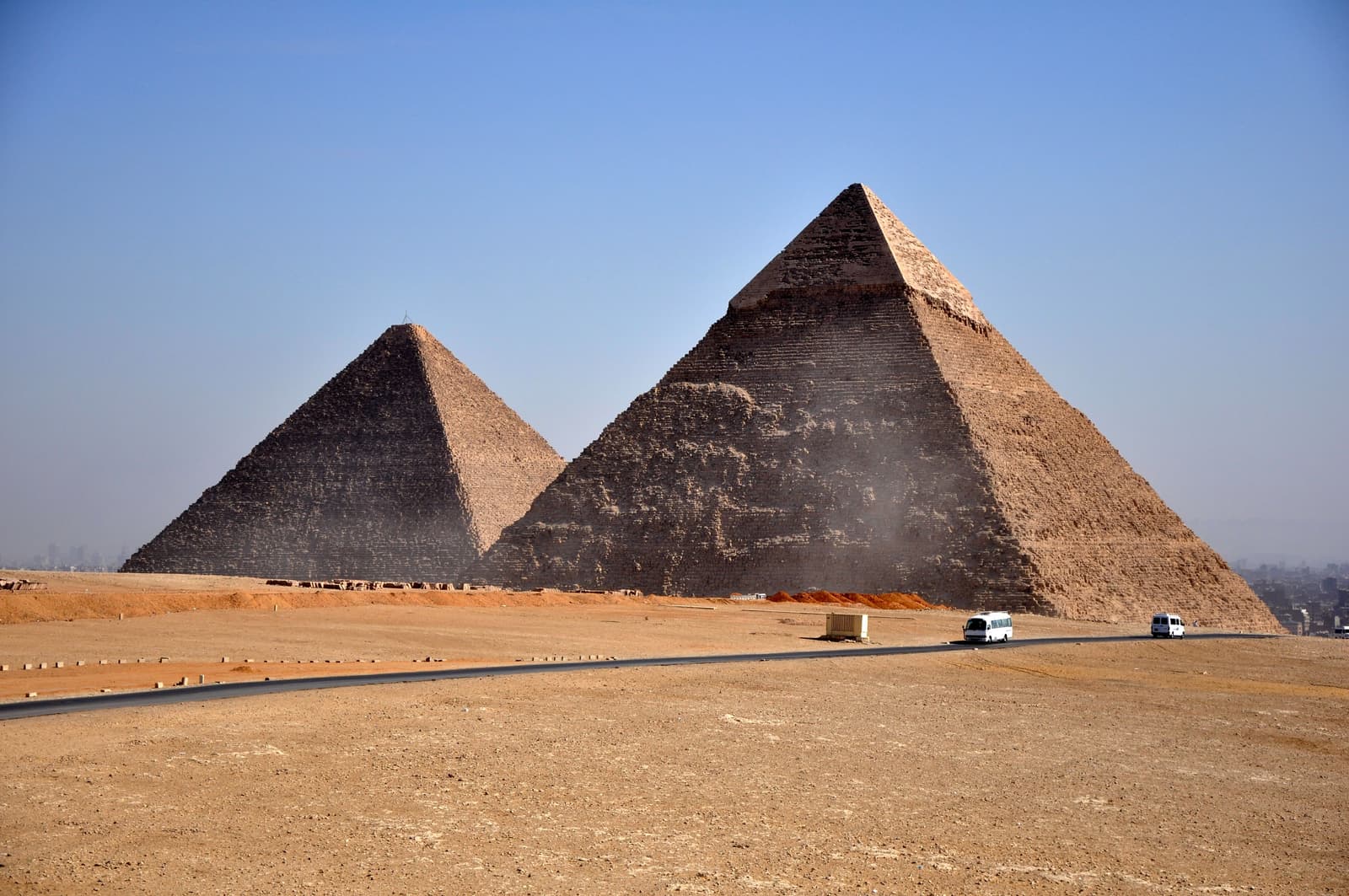
Egypt visa 2026: e-Visa, visa on arrival and the Sinai exception
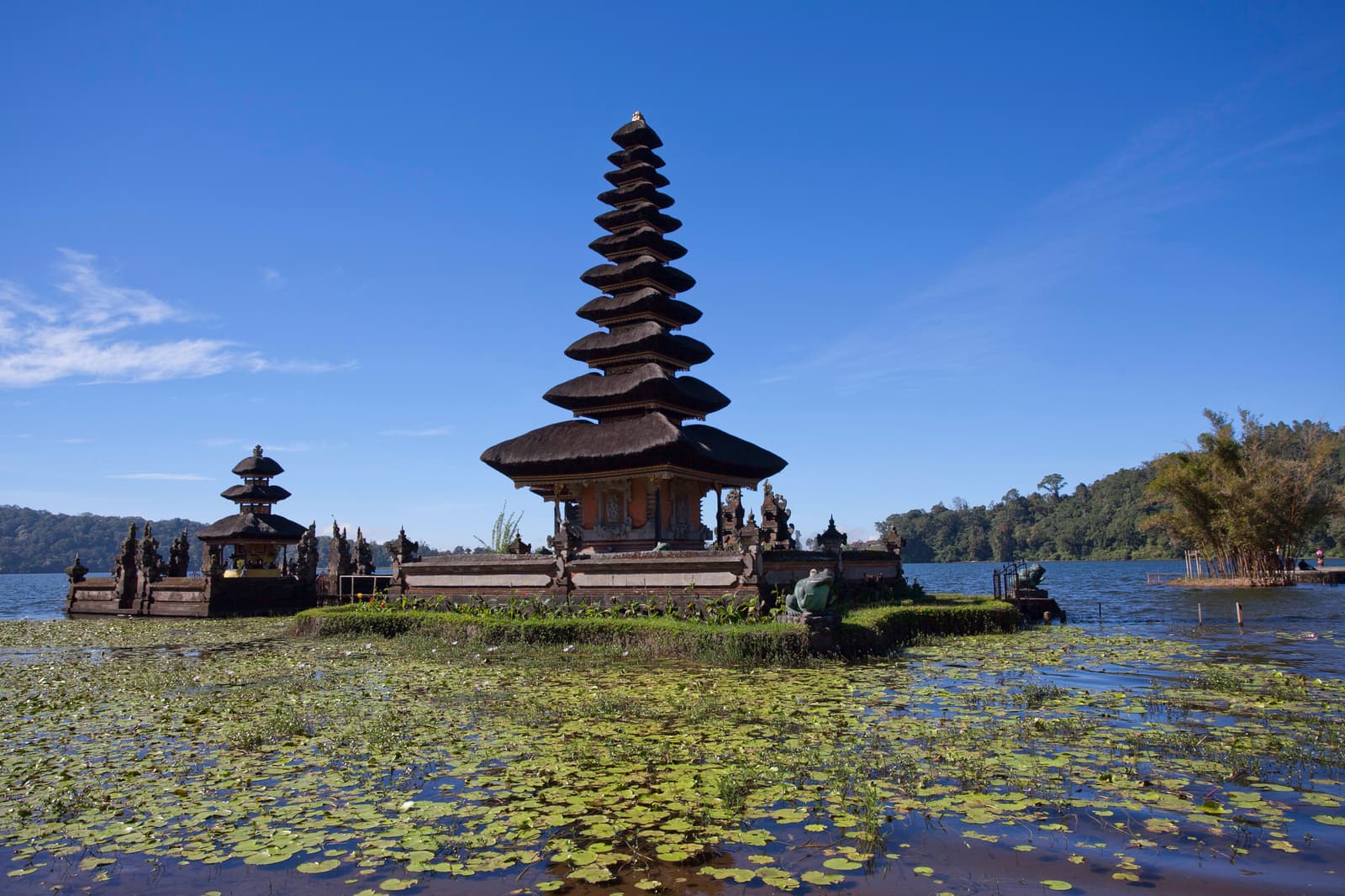
Indonesia visa 2026: Bali e-VOA, visa on arrival and C1 e-Visa

Visa appointment in Egypt (2026): VFS, TLScontact, BLS, which centre for which country
Visa appointment in Kenya (2026): VFS, TLScontact, BLS, which centre for which country
Visa appointment in Ghana (2026): VFS Global, BLS, US Embassy, which centre for which country
Visa appointment in Nigeria (2026): VFS, TLScontact, BLS, which centre for which country
Visa alerts and regulations
Receive the latest visa updates and travel advice
We will never share your email. Unsubscribe at any time.