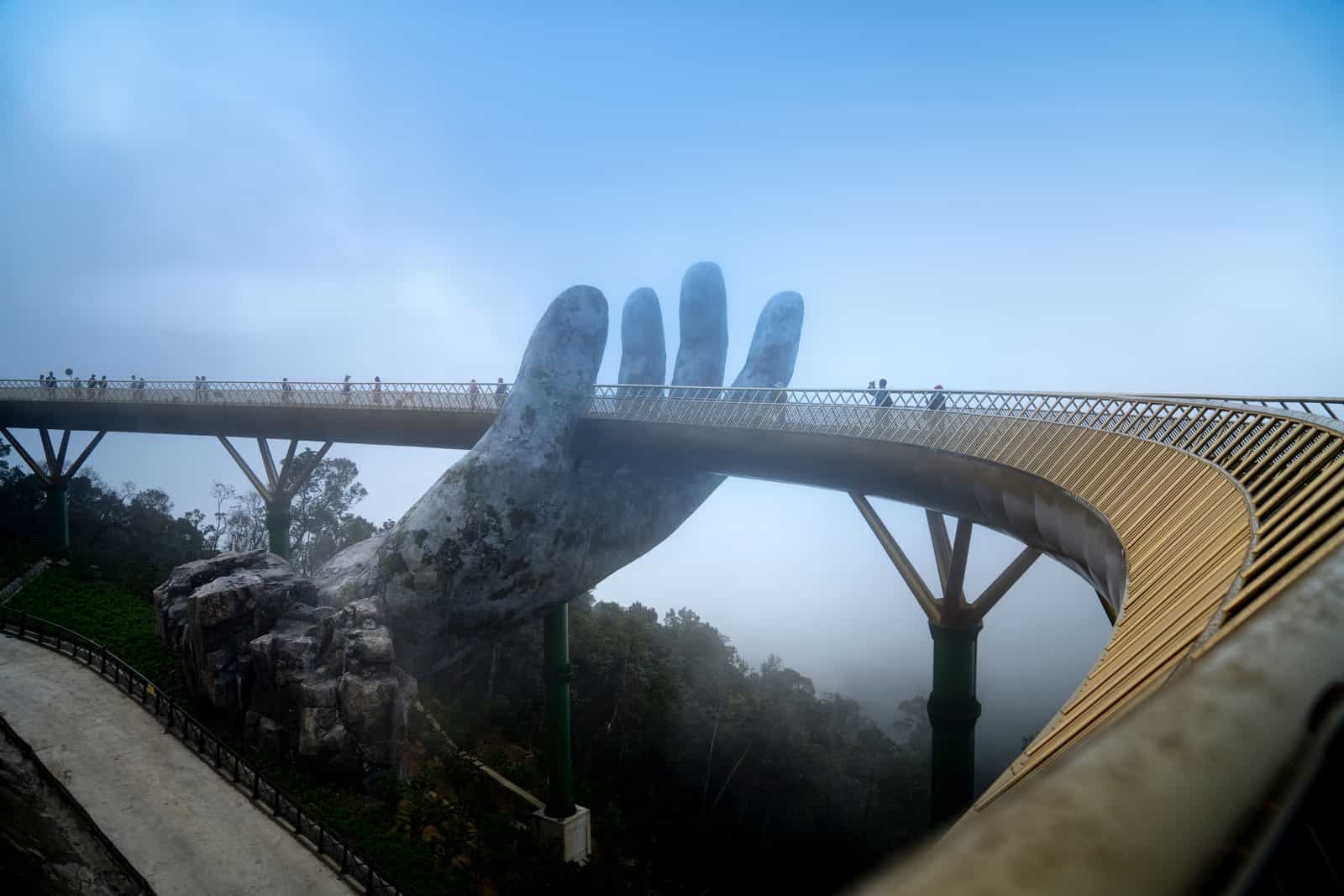
Table of contents
Author: Équipe IziVisasLast update: Oct 2026Reading time: 8 minWritten with AI assistance: our method
Summary
Settling in Vietnam in 2026: 45-day visa exemption for French citizens, 90-day e-Visa, business and work visas, residence card, budget and housing. A step-by-step guide to preparing your move.
Introduction
Vietnam attracts an increasing number of French expatriates each year, captivated by its incredible diversity, affordable cost of living, economic dynamism, and the warmth of its people. Whether you are a recent graduate, retiree, entrepreneur, or digital nomad, Vietnam offers a stimulating living environment, blending millennia-old traditions with growing modernity. This comprehensive guide will accompany you step by step in your expatriation project in 2026, from administrative procedures to cultural integration, including practical and budgetary aspects.
1. Travel Preparation
Necessary Documents
- Passport: Valid for at least 6 months after the date of entry into Vietnam.
- Visa: French nationals benefit from a visa exemption for stays up to 45 days (entry and exit included), as detailed on our Vietnam visa page for French citizens. This exemption, in force since March 15, 2025, remains applicable until March 14, 2028; it allows multiple entries but is not renewable on-site.
- Tourist e-visa: maximum 90 days, single entry (USD 25) or multiple entries (USD 50), to be requested only on the official portal evisa.gov.vn (processing time around 3 working days); rules for each nationality are on our Vietnam country page
- Business visa (DN1/DN2): sponsorship by a company registered in Vietnam is mandatory; usually issued for 3 months (up to 12 months in some cases) and it does not replace a work permit
- Temporary residence card (TRC): issued according to the visa type (LD1 or LD2 work, TT family, DT investor, among others); maximum duration of 2 years for workers, 3 years for family members (TT), and always at least 30 days shorter than the remaining validity of the passport
- Visa exemption certificate (5 years) for spouses/children of Vietnamese nationals or persons of Vietnamese descent.
Vaccinations and Health
- Recommended vaccines: DTP, hepatitis A and B, typhoid, Japanese encephalitis (for extended rural stays), rabies (for long stays or animal contact).
- Healthcare system: Major city international hospitals offer decent quality care, but it is advised to have health insurance covering private care and repatriation.
- Pharmacy: Bring specific medications with prescriptions; some treatments may be hard to find.
Budget to Plan
- Cost of living: Very affordable compared to France, with variations depending on the city and lifestyle.
- To budget for:
- Flight ticket: €500–€1,200 one-way depending on the season and airline.
- Setup costs (deposit, initial rents, equipment): €1,000–€2,500.
- Health insurance: €50–€150/month depending on age and coverage.
- Visa: USD 25 to 155 in official fees depending on the type and length, plus paperwork costs (translations, legalisations).
- Recommended reserve fund: at least €2,000–€3,000 for unforeseen expenses.
2. Practical Information
Best Time to Travel
- Climate: Three main climate zones (North, Central, South).
- North: Cool/humid winter (November–March), hot/humid summer (May–October).
- South (Ho Chi Minh City): Dry season (November–April), rainy season (May–October).
- Tip: Autumn (October–December) and the end of the dry season (March–April) are the most pleasant periods to settle in.
How to Get There
- Direct flights: Paris-Hanoi and Paris-Ho Chi Minh City, average duration 11–12 hours.
- Major airlines: Vietnam Airlines, Air France, Qatar Airways, Emirates.
- Tip: Book your ticket in advance to get better fares.
Getting Around Locally
- Urban transports: Grab (VTC), taxis, buses, metro (first lines now in service in Hanoi and Ho Chi Minh City).
- Scooter rental/purchase: very common. An International Driving Permit is required with your national licence, and it must cover motorcycles (category A1 or A). Helmet mandatory.
- Inter-city trains & buses: Developed network, economical but sometimes slow.
- Domestic flights: Vietnam Airlines, VietJet, Bamboo Airways.
3. Accommodation
Types of accommodation
- Apartment in a residence: High comfort, often furnished, swimming pool/gym, security.
- Townhouses: Ideal for families, more space, sometimes in the suburbs.
- Shared accommodations: Popular among young professionals/students, economical and friendly.
- Guesthouses, long-term hotels: Temporary solution upon arrival.
Recommended areas
| City | Recommended expat neighborhoods | Main advantages |
|---|---|---|
| Hanoi | Tay Ho, Ba Dinh, Hoan Kiem | Cultural life, lakes, nightlife, international schools |
| Ho Chi Minh City | District 1, District 2 (Thao Dien), District 7 | Economic dynamism, international schools, social life |
| Da Nang | My An, Son Tra | Sea, tranquility, growing digital community |
| Nha Trang | Downtown, Tran Phu | Beaches, relaxed atmosphere |
Budget and bookings
- Monthly rent (indicative):
- Studio downtown: €200–400
- 2–3 room modern apartment: €400–900
- Villa/house: €1,000 and above
- Security deposit: 1–3 months' rent.
- Research tools: Facebook Marketplace, Expat.com, local real estate agencies.
- Advice: Always visit the property before signing, verify the legality of the contract and the reputation of the landlord.
4. Culture and Traditions
Customs and Practices
- Respect for Elders: Very important in Vietnamese culture.
- Politeness: Greet with a slight nod, avoid public displays of affection.
- Shoes: Remove them when entering homes.
- Spirituality: Buddhism, Confucianism, and animism influence daily life.
Language and Communication
- Official Language: Vietnamese.
- English: Widely spoken in major cities and tourist areas.
- French: Limited presence, but some Vietnamese speak it, especially the older generation or in the educational sector.
- Tip: Learning basic Vietnamese greatly facilitates integration.
Festivals and Events
- Tết (Lunar New Year): The most important celebration, in January/February.
- Mid-Autumn Festival: Lanterns and family celebrations in September/October.
- Hué Festival, National Day (September 2): Numerous cultural events.
5. Gastronomy
Typical Dishes
- Phở: Beef or chicken noodle soup.
- Bánh mì: Vietnamese-style sandwich.
- Bún chả: Grilled pork, vermicelli, and herbs.
- Goi cuon: Fresh spring rolls.
- Cà phê sữa đá: Iced coffee with condensed milk.
Recommended Restaurants
- Popular chains: Pho 24, Highlands Coffee.
- Local addresses: Markets and small street stalls offer an authentic experience for a few euros.
- French restaurants: Present in Hanoi and Ho Chi Minh City, for the nostalgic.
Street food
- Must-try: Try street stalls for a full meal for less than €2.
- Tip: Prefer busy stalls, a sign of freshness.
6. Activities and Sightseeing
Must-see
- Hanoi: Old Quarter, Hoan Kiem Lake, Ho Chi Minh Mausoleum.
- Ho Chi Minh City: Ben Thanh Market, colonial district, museums.
- Halong Bay: Cruise on emerald waters.
- Hue: Imperial city.
- Hoi An: UNESCO-listed Old Town.
Off the beaten path
- Ha Giang: Motorcycle loops in the mountainous north.
- Phu Quoc Island: Paradise beaches.
- Mekong Delta: Life on the water, floating markets.
Activities based on interests
- Digital nomads: Modern coworking spaces in Hanoi, Saigon, Da Nang.
- Sports & nature: Trekking in the Northern mountains, diving in Nha Trang.
- Families: Water parks, museums, zoos, amusement parks.
7. Safety Tips
Areas to Avoid
- Remote borders: Some areas near Laos/Cambodia can be unstable.
- Isolated neighborhoods at night: Favor lively and well-lit areas.
Common Scams
- Unofficial taxis: Prefer Grab or recognized companies.
- Excessive bargaining: Negotiate politely in markets, refuse overly persistent offers.
- Counterfeit bills: Check the received currency, especially in tourist stalls.
Emergency Numbers
- Police: 113
- Firefighters: 114
- Ambulance: 115
- French Embassy in Hanoi: +84 24 3944 5700
8. Detailed Budget
Indicative Costs
| Expense Item | Hanoi/Ho Chi Minh (€) | Province/Medium City (€) |
|---|---|---|
| Rent (apartment) | 400–900 | 200–500 |
| Utilities (water, electricity, internet) | 30–70 | 20–40 |
| Food (groceries) | 100–200 | 80–150 |
| Restaurant meals | 1–5 (local), 10–25 (international) | 1–4, 8–20 |
| Health (private insurance) | 50–150 | 50–100 |
| Transportation | 20–50 | 10–30 |
| Leisure/Gym subscription | 20–70 | 10–40 |
Tips to Save
- Eat local: Prefer markets and street stalls.
- Public transport: Buses or GrabBike for short trips.
- Shared accommodation: Cost-effective housing solution.
- Negotiate: Always negotiate prices outside supermarkets.
Cards and Payments
- Cash: Vietnamese dong (VND) remains king for small expenses.
- Bank cards: Accepted in supermarkets, hotels, and international restaurants.
- Account opening: Possible with a long-term visa and proof of local address.
- Money transfers: Wise, Revolut, Western Union work well for France–Vietnam transfers.
Conclusion
Moving to Vietnam in 2026 means offering yourself a life rich in discoveries, encounters, and opportunities, provided you prepare well. This guide aims to equip you to succeed at every stage: administrative procedures, cultural adaptation, professional integration, and daily management. With rigorous organization and an open mind, Vietnam will be able to offer you an unforgettable life experience. Happy expatriation!
Indicative information, drawn from official sources and Wikipedia, and updated automatically. Rules change: confirm with the embassy or the official portal before booking. Our methodology
We may earn a commission if you buy through these links, at no extra cost to you.
Sri Lanka ETA 2026: free visa for Europeans, how to apply and extend
Tanzania and Zanzibar visa 2026: e-Visa, visa on arrival, fees and mandatory insurance
Cambodia visa 2026: e-Visa, visa on arrival and the e-Arrival form
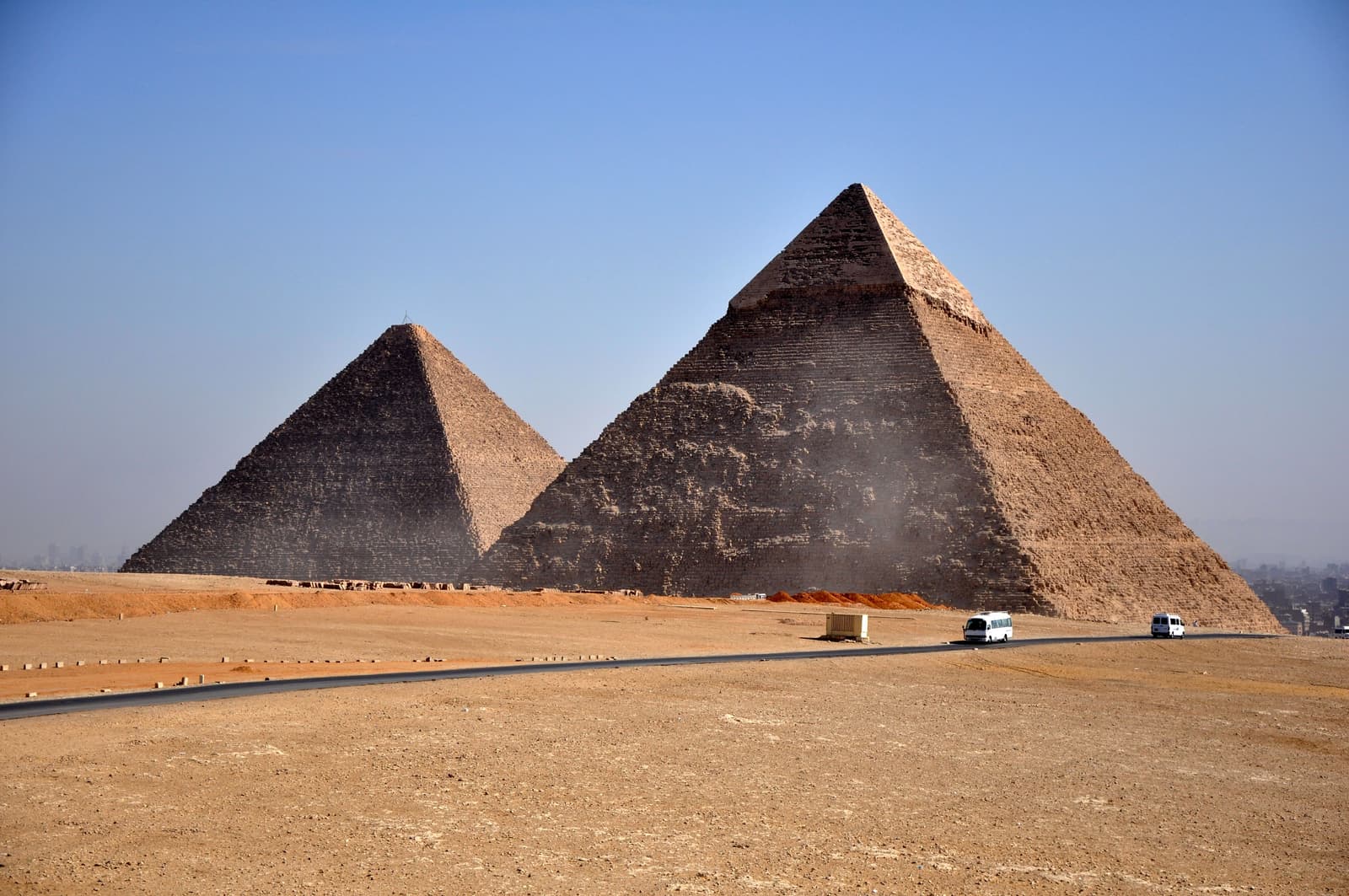
Egypt visa 2026: e-Visa, visa on arrival and the Sinai exception
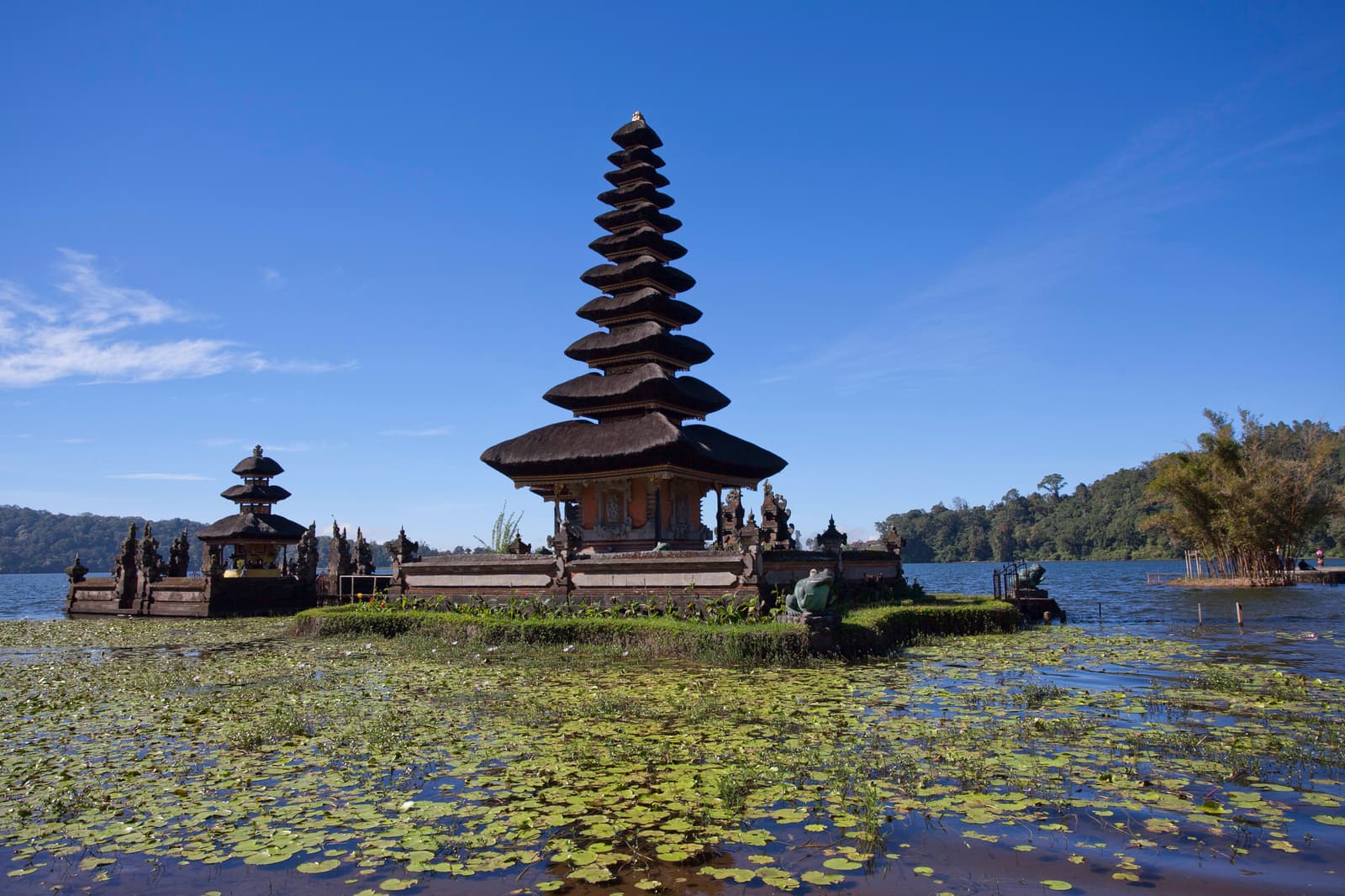
Indonesia visa 2026: Bali e-VOA, visa on arrival and C1 e-Visa

Visa appointment in Egypt (2026): VFS, TLScontact, BLS, which centre for which country
Visa appointment in Kenya (2026): VFS, TLScontact, BLS, which centre for which country
Visa appointment in Ghana (2026): VFS Global, BLS, US Embassy, which centre for which country
Visa appointment in Nigeria (2026): VFS, TLScontact, BLS, which centre for which country
Visa alerts and regulations
Receive the latest visa updates and travel advice
We will never share your email. Unsubscribe at any time.